

On 27 March, a special lecture entitled ‘Driving Systemic Transformation in Mainstream Media through Deep Integration’ was held in Room 105, Chengjunyuan, at the Zijin Port Campus. The lecture was delivered by Huang Chuxin, Deputy Dean of the School of Journalism and Communication at the University of Chinese Academy of Social Sciences, and was attended by staff and students from the university, as well as professionals from integrated media centres across the country.
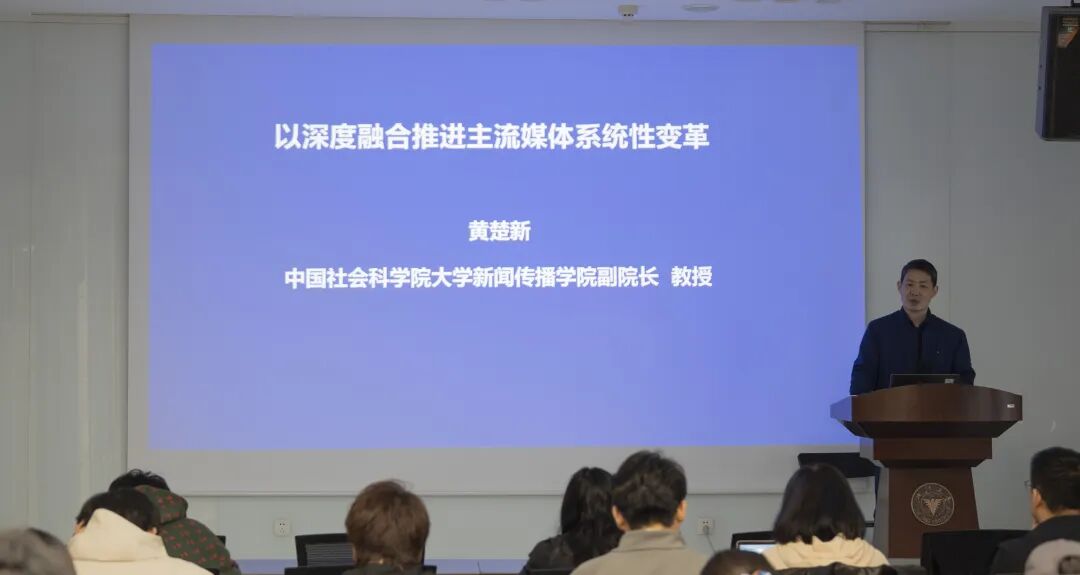
Drawing on years of theoretical research and fieldwork across more than 300 media centres nationwide, Huang Chuxin has systematically traced the development of media convergence since it was elevated to a national strategy in 2013, offering an in-depth analysis of the historical inevitability and practical logic behind the systemic transformation of mainstream media. He notes that the drive for profound change within mainstream media stems from the dual pressures of evolving user demands and competition within the public sphere alongside ideological dissemination, as well as the combined forces of social development and technological innovation. In the era of mobile internet, users have shifted from passively receiving information to actively participating and engaging in immersive experiences, compelling mainstream media to break away from single-format dissemination and provide diversified converged media content such as text, images, audio, video and short videos. The rapid rise of commercial platforms and self-media, coupled with the fragmentation of public discourse, has also made it an urgent task for mainstream media to safeguard ideological ground and enhance communication effectiveness.
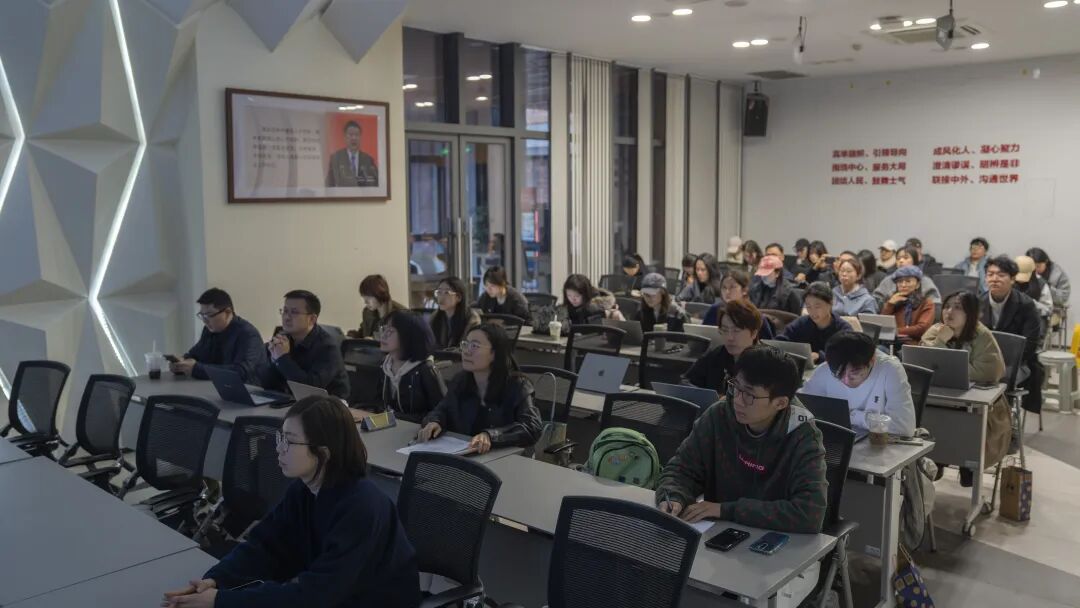
During the lecture, Huang Chuxin fully acknowledged the solid foundation for the current transformation of mainstream media. He stated that a series of policy measures, from the central to local levels, have provided strong impetus for the deep integration of media; the rapid proliferation of mobile, digital and intelligent technologies has served as an accelerator for media transformation; and innovative practices in media digitisation and cross-sectoral operations in regions such as Zhejiang have provided vivid examples for the whole country. At the same time, he candidly acknowledged that media convergence currently faces numerous deep-seated challenges: in some regions, rigid institutional mechanisms and the inadequate implementation of incentive policies have led to a lack of dynamism among talent; content innovation and technological application have failed to align effectively, resulting in a shortage of high-quality, in-depth content; advertising and circulation revenues continue to decline, new revenue models remain immature, and the dual pressures of financial strain and talent drain are becoming increasingly apparent.
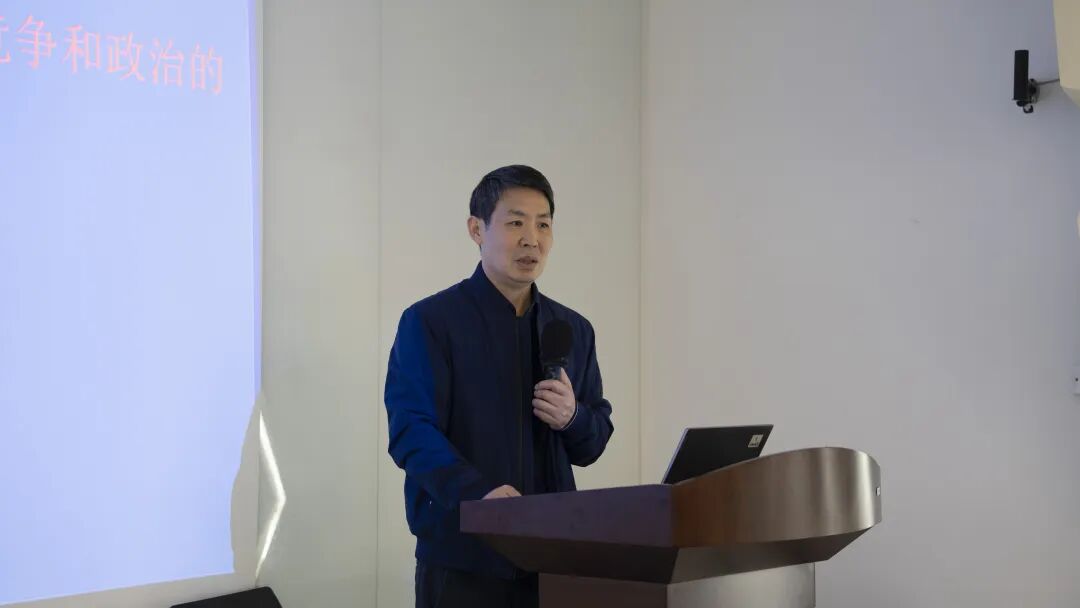
In the face of developmental bottlenecks, Huang Chuxin has outlined a clear practical path forward. He emphasised that systematic reform of mainstream media must firmly focus on the objective of enhancing the ‘four capabilities’, adhere to the principles of comprehensive, holistic, all-staff and high-efficiency communication, and shape a new landscape for mainstream public opinion; continuously deepening the integration of content, technology, channels and organisations to break down the barriers of traditional media thinking; stimulating talent through institutional and mechanism innovation, implementing performance-oriented, merit-based remuneration models to remove constraints on development; and proactively expanding the “media + government affairs + services + commerce” model to build comprehensive service platforms, aggregate digital resources and truly bridge the “last mile” of information dissemination. At the same time, media organisations across the country should base their efforts on their own actual circumstances, explore differentiated development paths tailored to local conditions, and avoid blindly replicating successful models.
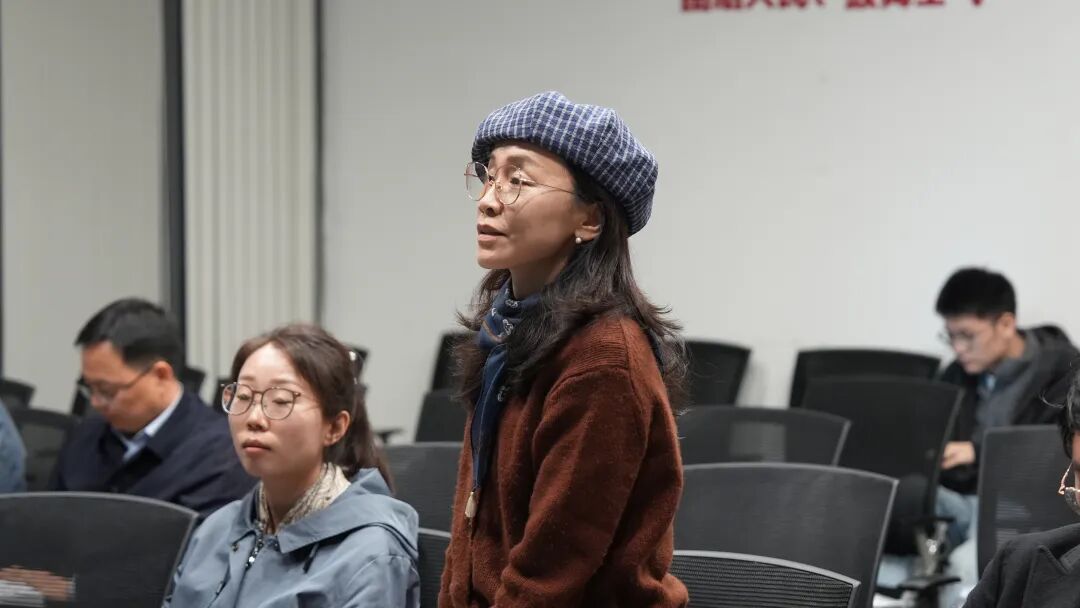
During the interactive session, Huang Chuxin addressed hot topics one by one, including the transformation of radio and television media, the creation of presenter IPs, international communication practices, and youth academic research. He suggested that radio and television media should move beyond reliance on large screens and expand into cross-sectoral areas such as culture and tourism and vertical services, whilst clearly defining IP ownership to guard against the risk of talent loss; International communication must move away from traditional methods of simple translation and grand narratives, instead adopting a light-touch approach and focusing on individual stories to tell China’s story in a way that resonates with overseas audiences; young scholars should ground their work in empirical research, examining topics related to the transformation of mainstream media from the perspectives of talent structure, institutional mechanisms and communication effectiveness.
This lecture combined theoretical depth with practical guidance; it not only clarified the developmental trajectory of deep media convergence but also charted a course for both industry practice and academic research. The content was closely aligned with industry realities and presented clear, pragmatic perspectives, offering significant insights for understanding the transformation of mainstream media and for conducting related work and research.