

On 28 March, the Digital Civilisation Team Research Capacity Building and Team Collaboration Training 2.0 was held at Zhejiang University’s Zijin Port Campus. Organised by the Centre for Digital Civilisation at Zhejiang University, the training was open to all members of the Digital Civilisation Team, as well as postgraduate students, postdoctoral researchers and visiting scholars from the School of Communication and International Culture. The session featured systematic sharing and discussion on key topics including the team’s development strategy, qualitative and quantitative research methods, writing for international journals, and training in academic standards. The aim was to consolidate the team’s fundamental research skills, enhance the effectiveness of interdisciplinary collaboration, and provide support for in-depth research into the frontiers of intelligent communication and digital civilisation, thereby generating high-quality academic outputs.
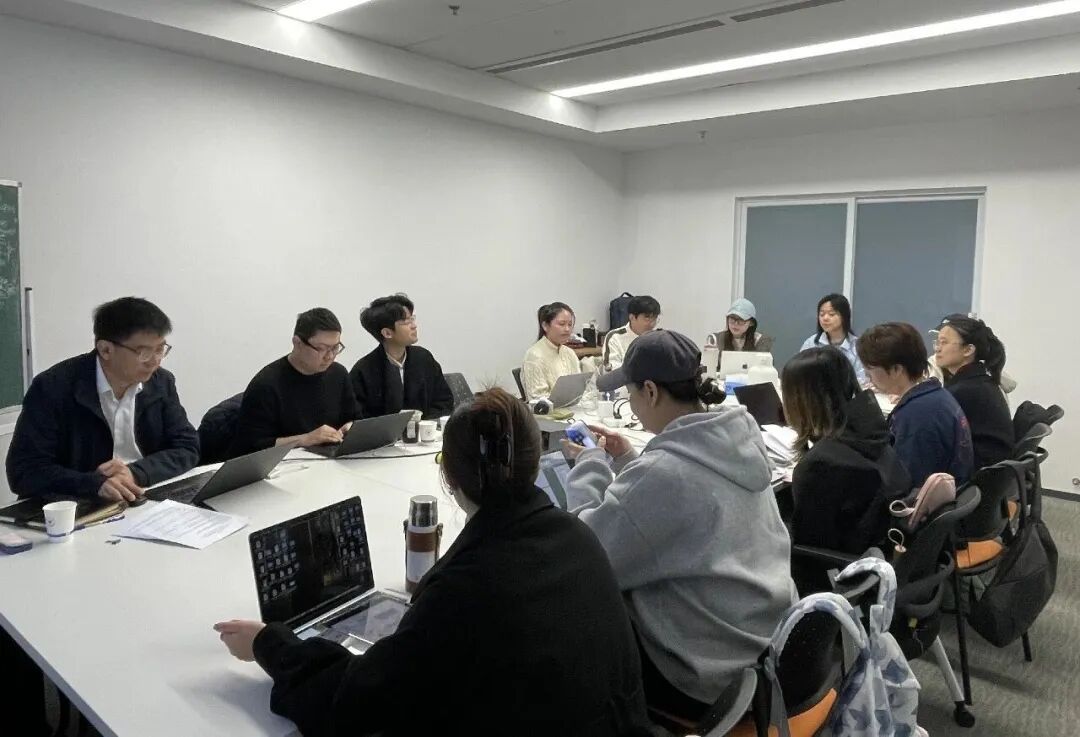
The training session began this morning with an internal seminar, during which participants engaged in in-depth discussions regarding the team’s 2026 research development plan. The Digital Civilisation Team is dedicated to reconstructing the knowledge system of communication studies and driving systematic breakthroughs in digital civilisation research. The team emphasises a ‘mould-based’ training approach, requiring members to consolidate their grounding in the literature and strengthen their writing skills. Grounded in historical research, the team focuses on the core proposition of ‘the origins of digital civilisation’, avoiding fragmented research topics and pursuing long-term academic accumulation and contributions to public knowledge.
The team regards “systemic transformation of mainstream media” as its core practical focus, advocating for academic responses to real-world issues. It conducts in-depth analyses of the structural transformation of mainstream media in the era of intelligent communication, with the aim of developing solutions that can be adopted by the industry and establishing Zhejiang University as a leading source of theoretical contributions in this field. The team advocates an “engineering mindset”, emphasising a problem-oriented approach and requiring research to be rooted in history and practice, whilst rejecting abstract theory; simultaneously, it promotes the introduction of “philosophy of communication” and “philosophy of media” to explore deeper connections with journalism and communication practice.
In 2026, the team will launch flagship events such as the “Digital Civilisation Expo” and the “Annual Conference on the History of the Internet”, whilst simultaneously advancing breakthroughs in English-language publications, the development of national-level platforms, and the publication of teaching materials. The objective is to achieve the transformation from academic output to public impact through publications, conferences, and think-tank reports.
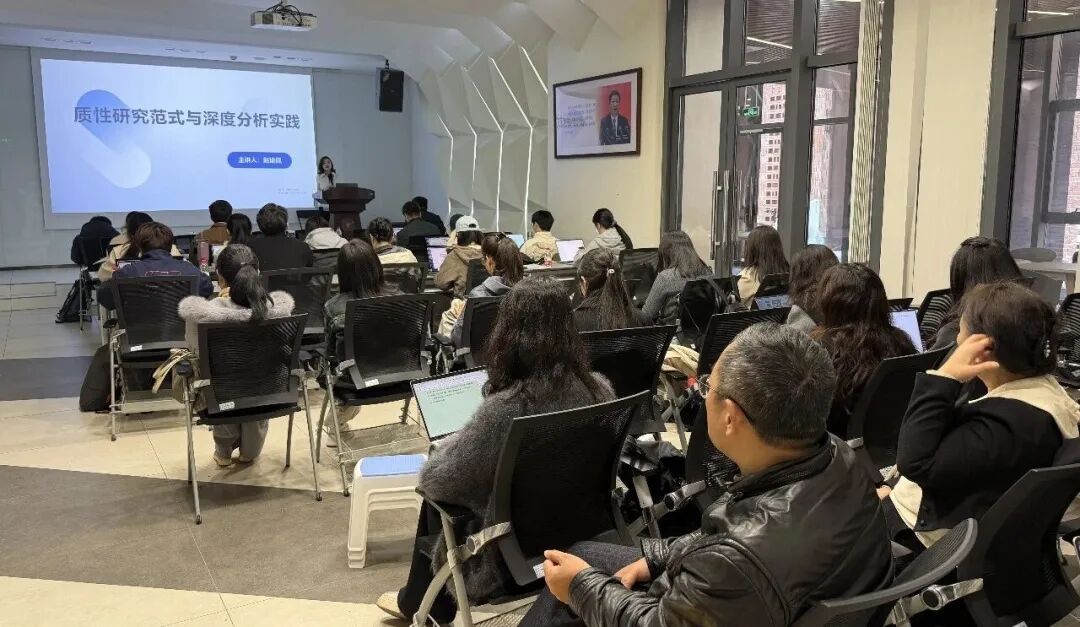
In the afternoon, the open academic salon officially commenced, with several senior experts and scholars delivering presentations in turn, covering a range of key areas including research methods, academic writing, academic standards and technological integration.
Technological Innovation and Communication Transformation: Journalism and Communication Studies in the Intelligent Age
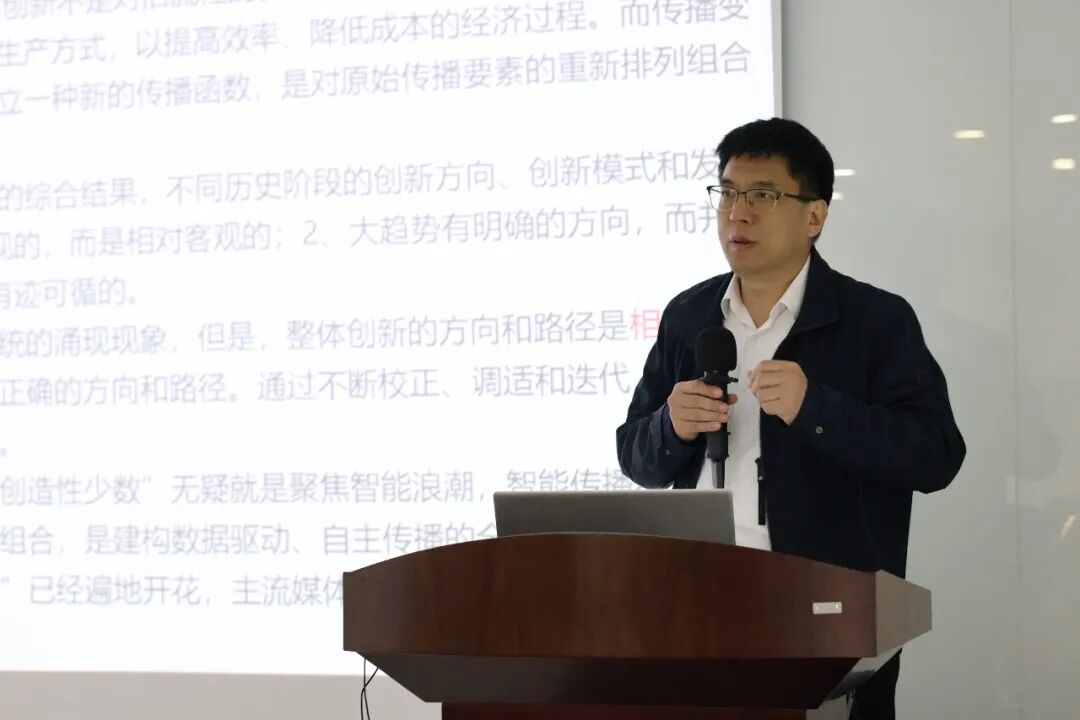
Fang Xingdong, Executive Vice Dean of the School of Communication and International Culture at Zhejiang University and Head of the Digital Civilisation Group, delivered a presentation on the theme of ‘Technological Innovation and Communication Transformation: Journalism and Communication Studies in the Intelligent Age’. Against the backdrop of technological advancements such as artificial intelligence and big data, he provided an in-depth analysis of the profound impact of technology on news production processes, the transformation of communication models, and the restructuring of the public opinion ecosystem. He emphasised that journalism and communication studies in the intelligent age must return to the core of ‘humanity’, strike a balance between technological empowerment and humanistic concern. He argued that while we must embrace the new research possibilities offered by technology, we must also uphold media ethics and public values, thereby charting a forward-looking yet pragmatic course for communication research within the context of digital civilisation.
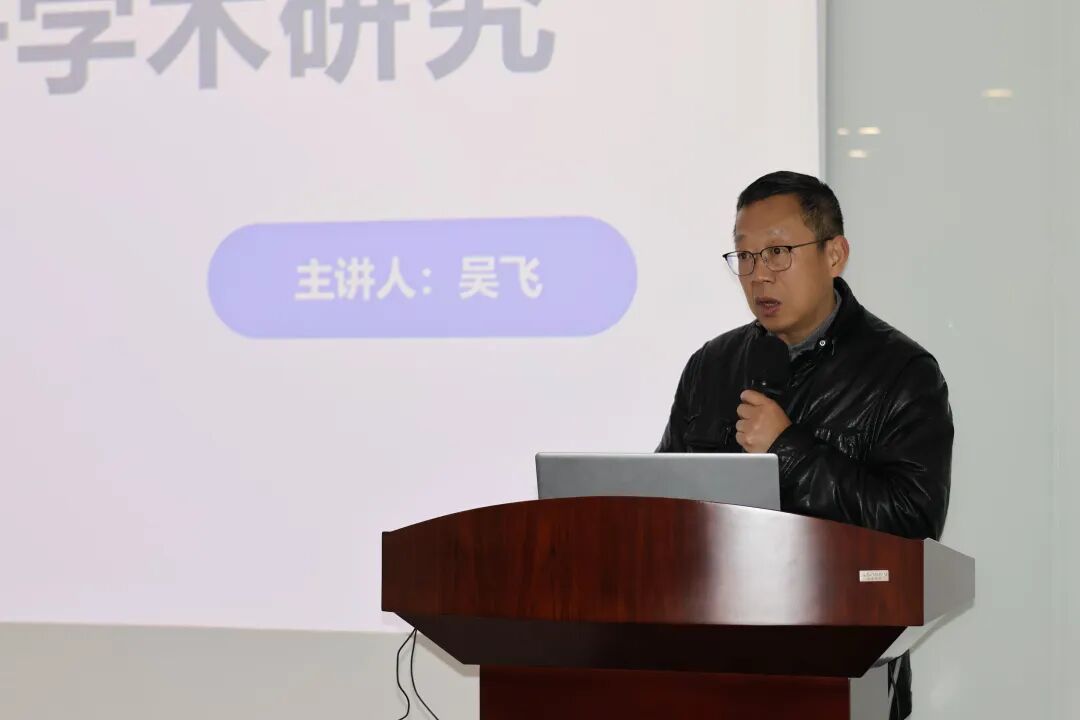
How to Conduct Academic Research
Wu Fei, Qiushi Distinguished Professor at Zhejiang University, shared his decades of academic experience on the topic of ‘How to Conduct Academic Research’. He emphasised that genuine academic research must be rooted in a strong sense of inquiry; it requires both a keen insight into cutting-edge global issues and an unwavering commitment to a rigorous and pragmatic approach to scholarship, whilst rejecting bandwagoning and superficiality. He encouraged young scholars to ground their work in China’s domestic practices, to identify genuine problems within social realities, and to seek breakthroughs through the mutual interaction between theoretical innovation and empirical research. He urged them to respond to national needs and the challenges of our times with high-quality academic achievements, thereby contributing to the long-term development of digital civilisation.
Qualitative Research Paradigms and the Practice of In-Depth Analysis
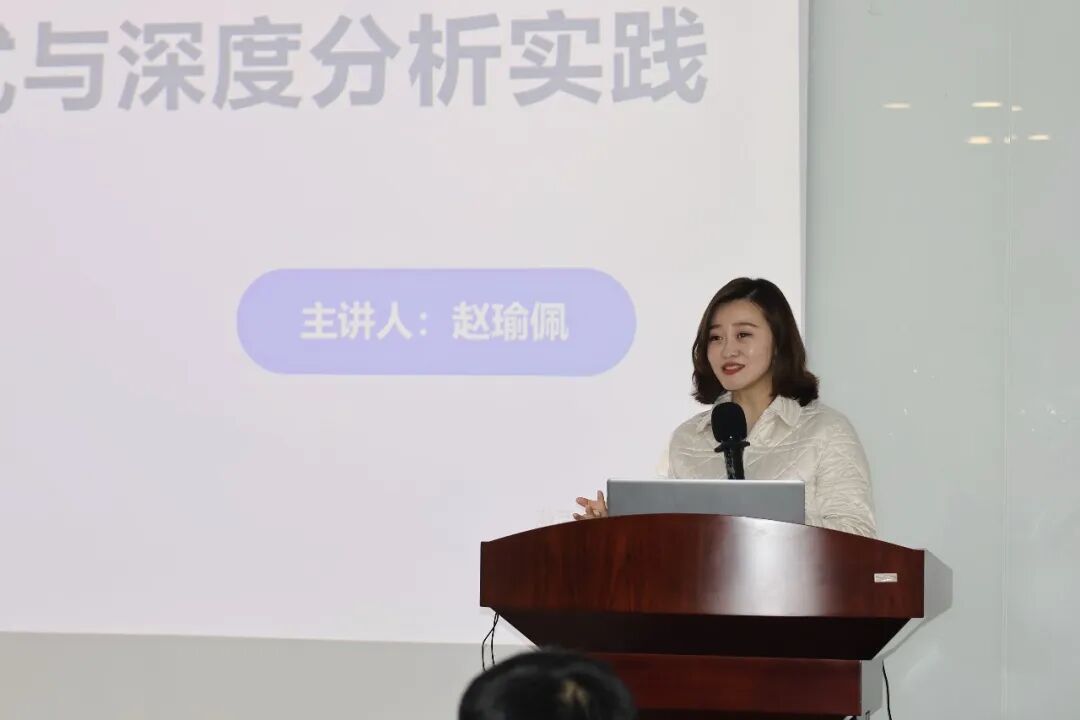
Zhao Yupei, Associate Dean and Tenured Associate Professor at the School of Communication and International Culture, Zhejiang University, focused on ‘Qualitative Research Paradigms and the Practice of In-Depth Analysis’, systematically breaking down the core logic and operational pathways of qualitative research. Drawing on typical case studies from her own research, she vividly illustrated the application scenarios and techniques of qualitative research tools such as in-depth interviews, participant observation and text analysis. She emphasised that the essence of qualitative research lies in using reflexive thinking to uncover the deeper meanings of research subjects, and in constructing explanatory academic narratives through the iterative interaction between theoretical assumptions and empirical reality. Her insights provided practical guidance for conducting research in the humanities and social sciences that is both profound and empathetic.
Writing Techniques and Strategies for SSCI Journals in Communication Studies
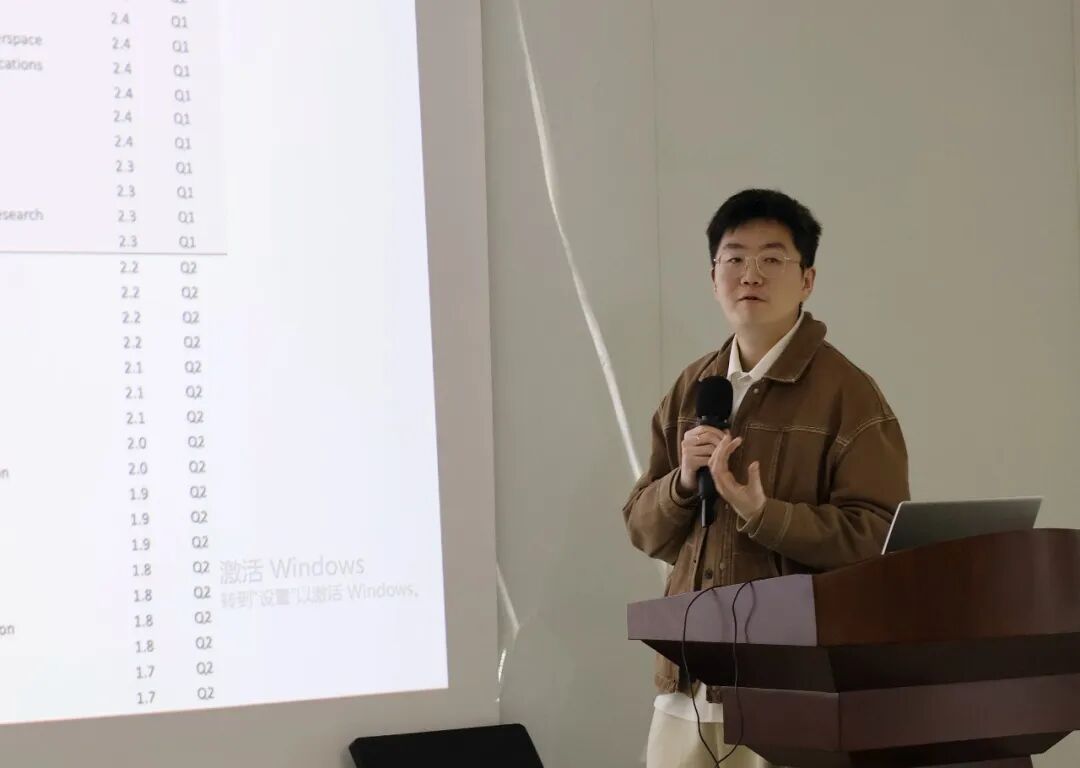
Zhang Zizhong, a researcher under the ‘Hundred Talents Programme’ at the School of Communication and International Culture, Zhejiang University, delivered a special presentation on ‘Writing Techniques and Strategies for SSCI Journals in Communication Studies’, offering practical guidance to early-career scholars on publishing papers in top-tier international journals. Drawing on his extensive experience in both submitting and reviewing manuscripts, he broke down the entire process step by step—from topic selection and abstract writing to structural organisation and responding to reviewers’ comments. He advised researchers to track cutting-edge topics through international academic conferences, distil innovative points of global significance within the Chinese context, and address reviewers’ queries with clear academic logic, robust empirical evidence and an open mindset towards collaboration, thereby effectively enhancing the competitiveness of their papers in international journals.
A Casual Discussion on Fieldwork
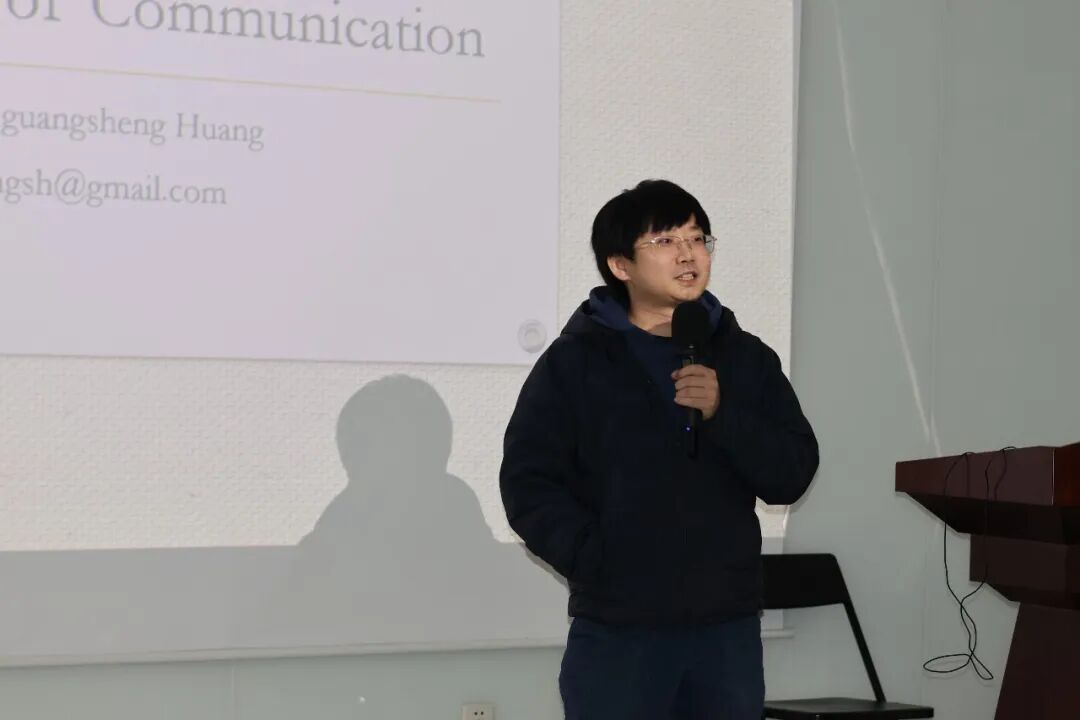
Huang Guangsheng, Tenured Associate Professor at the School of Communication and International Culture, Zhejiang University, delivered a talk entitled ‘A Casual Discussion on Fieldwork’, in which he shared the core principles of fieldwork in qualitative research. He emphasised that genuine fieldwork requires long-term immersion in the research setting, gathering first-hand data through immersive, participatory observation and in-depth interviews. By engaging with research subjects on an equal footing, researchers can grasp the complex logic of social phenomena, avoid conceptual bias and data distortion, and provide methodological guidance for academic research rooted in China that addresses local issues.
Quantitative Research Methods and Empirical Design
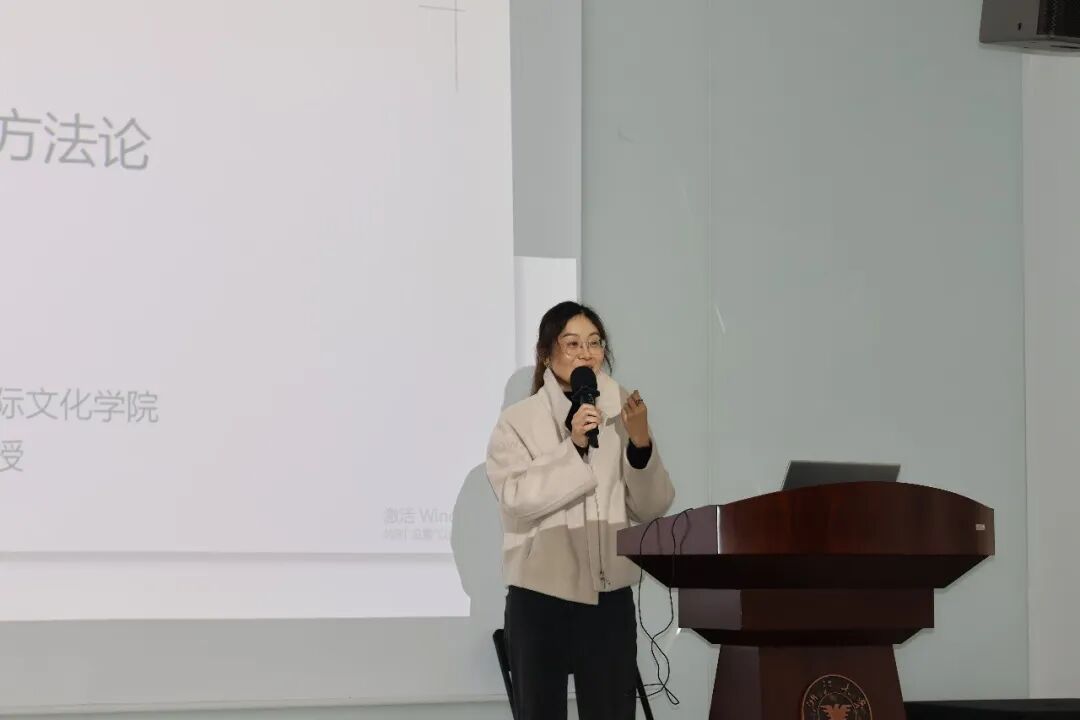
Ji Yingru, Tenured Associate Professor at the School of Communication and International Culture, Zhejiang University, delivered a systematic lecture on ‘Quantitative Research Methods and Empirical Design’. Covering everything from the formulation of research hypotheses and the operational definition of variables to questionnaire surveys, experimental design and statistical analysis, she provided a comprehensive introduction to the core tools and standard procedures of quantitative research. She emphasised the need for precise control over variable operations and data quality, and for the verification of research hypotheses through scientifically rigorous empirical design. Her presentation offered guidance for conducting quantitative research in fields such as communication studies and sociology, thereby enhancing the reproducibility and persuasiveness of such research.
Frontiers in Technology and Innovative Applications in Academic Research
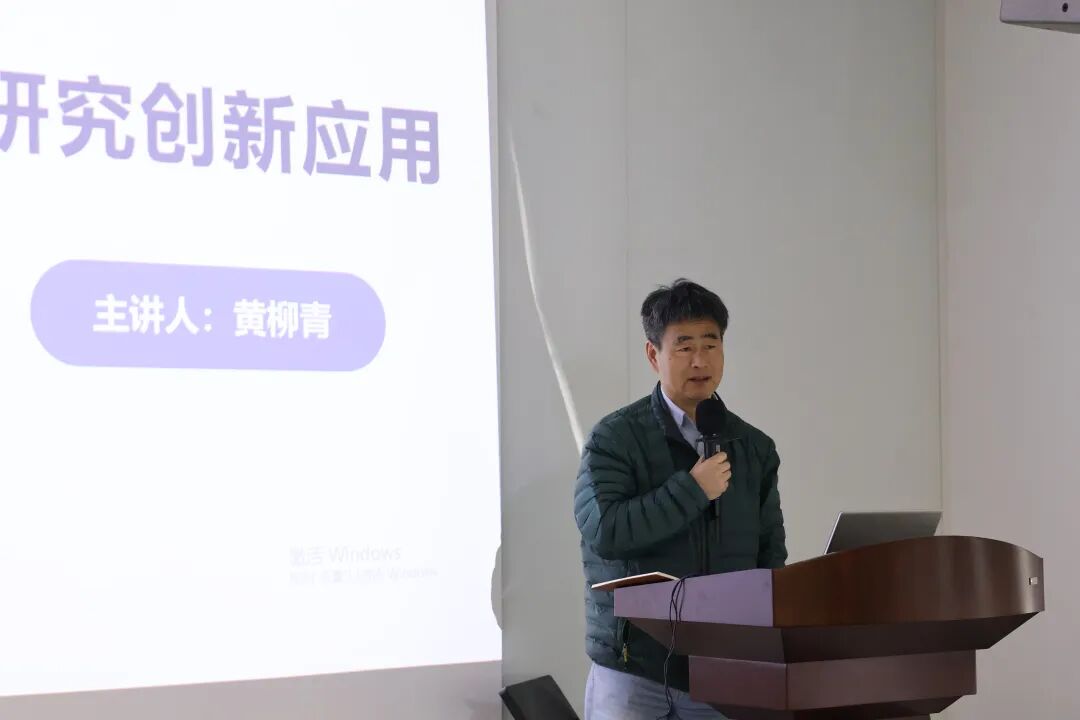
Dr Huang Liuqing delivered a presentation entitled ‘Frontiers in Technology and Innovative Applications in Academic Research’, offering humanities researchers a fresh perspective on technology through a combination of in-depth technical expertise and an interdisciplinary outlook. Approaching the subject from the perspective of the convergence between the physical and digital worlds, he analysed the development trends and underlying logic of cutting-edge technologies such as artificial intelligence, cloud computing and big data, focusing in particular on an in-depth discussion of two major technological breakthroughs: Sora and OpenClaw. Sora significantly reduces the cost of creating content such as films and short dramas, giving rise to the ‘one-person production company’ model, but it also presents challenges regarding the ownership and infringement of digital assets such as likenesses and voices; OpenClaw, as an AI operating system, enables intelligent agents to act as human surrogates and autonomously complete tasks; however, it bypasses traditional cybersecurity defences, posing risks such as privacy breaches and unauthorised operations, necessitating the establishment of an identity verification system for intelligent agents and a framework for social responsibility. He also addressed the practical issue of high false-positive rates in AI content detection, pointing out that the key to verifying content authenticity lies in relying on the authority of information sources rather than solely on detection tools. He encouraged team members to break down disciplinary barriers, seize the transformative opportunities presented by agent-driven dissemination, and explore innovative pathways for integrating technology with the humanities and social sciences.
Training in the Writing of Literature Reviews and Academic Syntheses
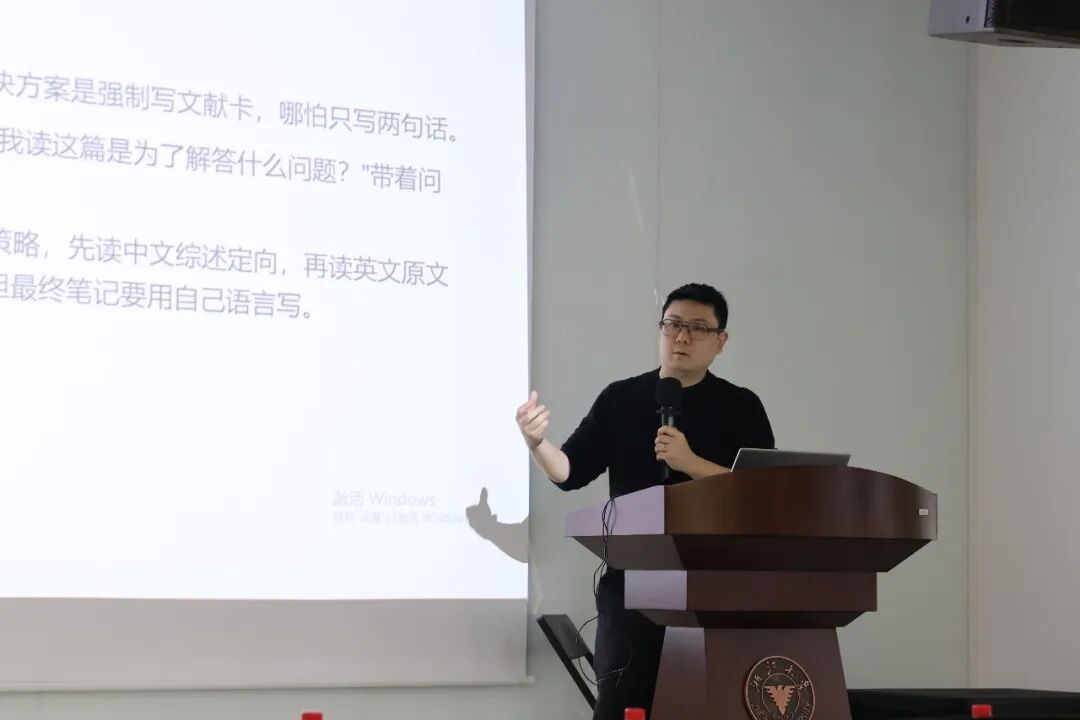
Zhong Xiangming, Associate Research Fellow at Zhejiang University of Media and Communications, delivered a presentation on ‘Training in the Writing of Literature Reviews and Academic Syntheses’, emphasising that literature reviews form the foundation and starting point of academic research. He pointed out that a high-quality literature review is by no means a mere list of references, but rather requires critical thinking to trace the development of research, analyse academic controversies, identify research gaps, and thereby pinpoint the positioning of one’s own research. He provided a detailed overview of the complete process, from literature retrieval and two rounds of screening to thematic clustering and standardised citation. He placed particular emphasis on prioritising citations from authoritative original sources, controlling the proportion of self-citations, and remaining vigilant against the ‘hallucinations’ that AI tools may introduce into the literature. This offered practical guidance for enhancing the standardisation and professionalism of academic writing.
As the training drew to a close, Fang Xingdong expressed his gratitude to the experts present for their insightful contributions and to the participants for their active engagement. He then summarised the key takeaways from the session across areas such as team planning, research methodologies and academic standards, and reaffirmed the Digital Civilisation Team’s core mission and strategic direction: ‘rooted in China, with a global outlook, serving the era of human-machine symbiosis’. He encouraged all members to transform the knowledge gained into a driving force for research, to deepen their studies by focusing on core areas, to strengthen team collaboration and the translation of research outcomes, and to collectively contribute more wisdom and effort to the construction of a digital civilisation.
Building upon the previous focus on enhancing research capabilities, this training further strengthened the team’s strategic planning and interdisciplinary exchange, providing a solid foundation for the Digital Civilisation Team’s high-quality development in 2026. Moving forward, the team will continue to uphold the values of openness and innovation, whilst maintaining its efforts in the fields of academic research, policy service and international communication.